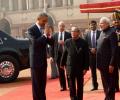
'We are no longer striving for a strategic partnership. We have arrived at one.'
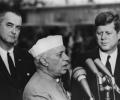
As Prime Minister Narendra Modi begins his historic visit of the United States of America, here's a look at some landmark visits by Indian prime ministers to the United States of America.

Aziz Haniffa/Rediff.com listens to four Indian and American national security advisers recalling the hard work that went into negotiating the nuclear deal.

'It is in the interest of both sides that the visit of the US President is seen as being successful. Both sides have invested considerable political capital in it. This rapid exchange of visits and the decisions taken have to be justified, beyond the symbolism, which is no doubt important in itself. This opportunity to impart a fresh momentum to ties should not be missed,' says former foreign secretary Kanwal Sibal.

'The biggest lacuna in this agreement is it is called 'full civil nuclear cooperation agreement.' Actually, it is anything but full.'

'Implementation of the US-India Defence Technology and Trade Initiative is as much a test for the Modi government to direct its bureaucratic processes, as it is of US commitment,' says Lieutenant General Anil Chait (retd).

'We had to convince our people that we were doing nothing that would erode our strategic programme. We were all the time arguing that we are not doing anything, which will remotely impact on our strategic programme.'

'Whether it's investments in Kashmir, building naval facilities, or selling top-of-the-range military equipment, Pakistan could well benefit more under Xi's watch.' 'Do Chinese concerns about the 'Islamisation' of Pakistan give it pause about how quickly to move forward with security and economic projects? At the moment the indication is quite the opposite: China is doubling down on its support to Pakistan, partly because of its fears about where the country is headed.'
